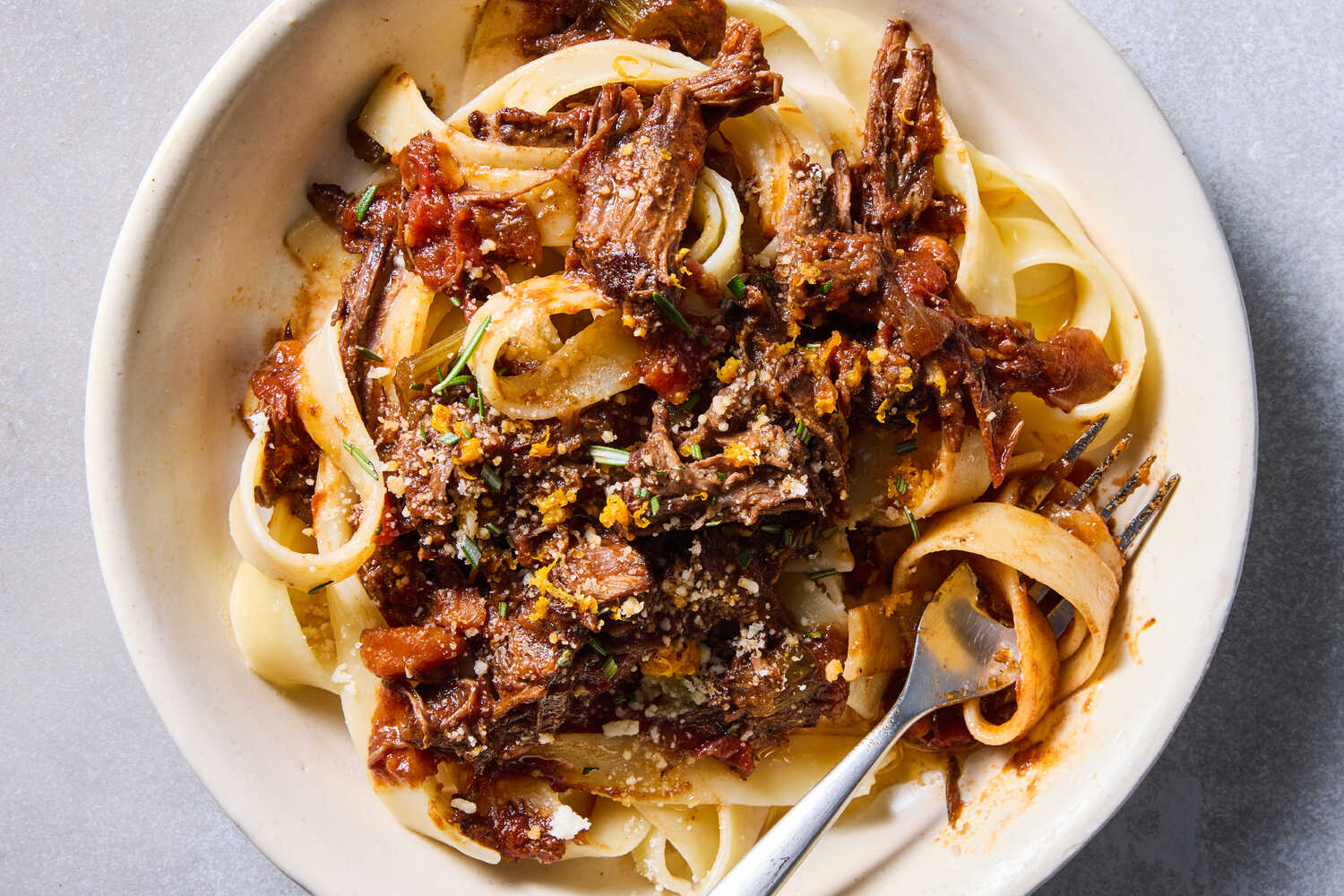
Indulge in the Ultimate Comfort: A Hearty Beef Ragu with Pappardelle
There are few dishes that evoke the same sense of warmth, tradition, and profound satisfaction as a slow-cooked
beef ragu with pappardelle. This iconic Italian dish is a celebration of rich, deep flavors, tender meat, and perfectly coated pasta. Far from being a mere weeknight meal, a well-executed beef ragu is a culinary masterpiece, transforming humble ingredients into something truly extraordinary. Whether you're gathering family around the table or simply craving a soulful bowl of goodness, mastering this dish is a rewarding endeavor. Prepare to embark on a journey that will fill your kitchen with irresistible aromas and your palate with unforgettable tastes.
Inspired by classic recipes that champion robust flavors and uncomplicated preparation, this article guides you through creating a beef ragu that boasts an unexpected brightness, thanks to aromatic herbs and a touch of citrus. While the slow cooking process requires patience, the hands-on time is minimal, allowing the ingredients to meld into a symphony of taste. The payoff? A remarkably tender ragu that clings beautifully to broad, silky ribbons of pappardelle, promising an authentic Italian dining experience right at home.
The Art of a Deeply Flavored Beef Ragu
The foundation of any exceptional ragu lies in the quality of its ingredients and the meticulous layering of flavors. Each step in the cooking process contributes to the final depth and complexity of the sauce, ensuring that every bite of your
beef ragu with pappardelle is a revelation.
Choosing Your Cuts and Building the Base
For a truly tender and flavorful ragu, selecting the right cut of beef is paramount. While various options exist, beef chuck roast, boneless short ribs, or even a blend of beef and pork offer excellent results, breaking down beautifully over long cooking times. These cuts are rich in connective tissue, which, when slow-cooked, renders into gelatin, creating an incredibly succulent texture and enriching the sauce.
The aromatic base, known as a
soffritto in Italian cuisine, is the soul of your ragu. It typically consists of finely diced onion, carrot, and celery, sautéed gently until softened and translucent. This process releases their natural sugars, forming a sweet and savory foundation. To this, garlic is added, infusing the oil with its pungent aroma without overpowering the delicate sweetness of the vegetables. Classic recipes often incorporate fresh rosemary and sage sprigs at this stage, their earthy notes laying a robust groundwork for the beef. For more in-depth advice on selecting the perfect cuts of beef for slow cooking, you might enjoy our companion piece on
beef ragu with pappardelle - Article 2.
Browning, Braising, and Brightening
The initial browning of the beef is a non-negotiable step. High heat creates a beautiful crust on the meat through the Maillard reaction, developing hundreds of complex flavor compounds that will permeate the entire ragu. Once browned, the beef is set aside, and the
soffritto is built in the same pot, scraping up any delicious browned bits (fond) from the bottom.
Deglazing the pot with a dry red wine like Chianti is the next crucial stage. As the wine simmers and reduces by half, it lifts all those concentrated flavors from the bottom of the pan, incorporating them into the sauce. This adds a crucial layer of acidity and depth. Then, crushed tomatoes and their juices are introduced, becoming the luscious body of the ragu. If using a pressure cooker, a small amount of water might be added to ensure proper pressure build-up.
The magic truly happens during the long, slow simmer. Whether you opt for a pressure cooker (a fantastic time-saver, often completing the braise in under an hour) or a traditional Dutch oven cooked gently on the stovetop or in a low oven (around 275°F/135°C for 3 to 3.5 hours), this extended cooking time is essential. It allows the beef to become incredibly tender, practically falling apart, and gives all the flavors ample opportunity to marry and deepen. Stirring occasionally if using a Dutch oven helps prevent sticking and promotes even cooking.
Finally, for a surprising and delightful twist that elevates the entire dish, a pinch of fresh orange zest and additional rosemary can be added towards the end or as a garnish. This bright, aromatic combination cuts through the richness of the ragu, adding a sophisticated pop of freshness that truly makes the dish sing.
Choosing the Perfect Pasta: Pappardelle
While many pasta shapes can pair with a rich meat sauce,
pappardelle is arguably the quintessential choice for beef ragu. Its broad, flat, and often slightly ruffled ribbons are perfectly designed to cradle and capture every morsel of the succulent sauce.
The generous surface area of pappardelle ensures that each strand is coated in the deeply flavored ragu, creating a harmonious balance between pasta and sauce. Its hearty texture also stands up beautifully to the robust meat, providing a satisfying chew without being overwhelmed. When cooking pappardelle (or any pasta for that matter), always aim for
al dente – cooked to the tooth, with a slight resistance in the center. This texture not only makes for a more enjoyable eating experience but also prevents the pasta from becoming mushy when tossed with the hot sauce.
After cooking the pasta in generously salted boiling water, remember to reserve about ½ cup of the starchy cooking water. This liquid is a secret weapon, used to loosen the sauce and create a silky emulsion when tossed with the pasta, ensuring the ragu adheres perfectly. A knob of butter and a generous ¼ cup of freshly grated Parmigiano-Reggiano stirred into the drained pappardelle just before combining with the ragu adds an extra layer of richness and creaminess. If you're curious about different pasta shapes that pair well with rich sauces, check out
beef ragu with pappardelle - Article 3.
Mastering the Serve: Presentation and Garnish
Once the ragu has simmered to perfection and the pasta is ready, the final flourish of serving elevates this comforting dish from excellent to unforgettable.
After removing the beef from its cooking vessel, use two forks to finely shred the meat and vegetables directly in the pot. Discard any woody herb stems. The goal is a rustic, hearty texture where the beef almost melts into the sauce. Keep the ragu loosely covered and warm over low heat while the pasta finishes cooking.
To serve, lift generous portions of the buttered and cheesed pappardelle into shallow bowls. Then, spoon ample amounts of the rich
beef ragu over the top, allowing the sauce to cascade over the pasta ribbons. The presentation is completed with a delicate sprinkle of fresh orange zest and a few tiny rosemary leaves, offering a vibrant contrast in color and an invigorating burst of aroma. A final dusting of freshly grated Parmigiano-Reggiano cheese is essential, adding a salty, umami depth that ties all the flavors together. Each spoonful should offer a perfect balance of tender meat, luscious sauce, and perfectly cooked pasta, accented by those bright citrus and herb notes.
Tips for Success & Variations
*
Make Ahead: Beef ragu, like many slow-cooked dishes, often tastes even better the next day as the flavors continue to meld and deepen. It's an ideal candidate for meal prepping.
*
Freezing: Leftover ragu freezes beautifully. Simply cool completely, portion into airtight containers, and freeze for up to 3 months. Thaw overnight in the refrigerator and gently reheat on the stove.
*
Wine Pairing: A robust red wine that complements the Chianti used in the sauce, such as another Sangiovese, a Barolo, or a full-bodied Cabernet Sauvignon, makes an excellent pairing.
*
Alternative Meats: Experiment with a mix of beef and pork (pork shoulder or pancetta) for even more complexity. Lamb shoulder also makes a superb ragu.
*
Spice it Up: For a subtle kick, add a pinch of red pepper flakes with the garlic and aromatics.
Conclusion
Creating a homemade
beef ragu with pappardelle is more than just following a recipe; it's an experience that celebrates the art of slow cooking and the joy of sharing exceptional food. From the careful browning of the beef to the long, gentle simmer, and the final flourish of fresh herbs and citrus, every step contributes to a dish that is deeply comforting, incredibly flavorful, and truly satisfying. Embrace the process, savor the aromas, and prepare to delight your taste buds with this timeless Italian classic. It's a dish that exemplifies hearty, homemade goodness and promises to become a cherished addition to your culinary repertoire.